The underside of your vehicle faces some of the harshest conditions on the road. From winter road salt and moisture to trapped debris, corrosion can develop quickly — starting as minor surface rust and, if left untreated, progressing to serious structural damage.
Here’s a breakdown of the most common types of corrosion found underneath vehicles, what causes them, and why they matter.
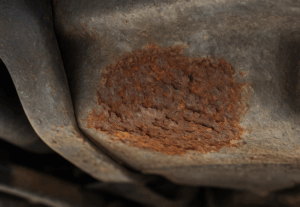
1. Surface Rust
Appearance: A light reddish-brown discoloration on exposed metal.
Cause: Often begins when small chips, scratches, or stone impacts expose bare metal to oxygen and moisture.
Threat level: Low — if treated promptly. However, neglected surface rust can quickly advance to more damaging forms of corrosion.
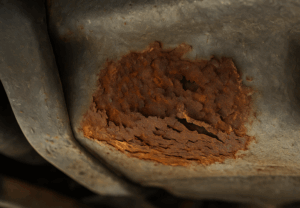
2. Scale Rust
Appearance: Flaking, bubbling, or rough patches where rust has penetrated deeper into the metal.
Cause: Develops when surface rust is left untreated, allowing corrosion to eat into the metal layers beneath.
Threat level: Moderate. The metal’s strength is compromised, and affected parts may begin to weaken.
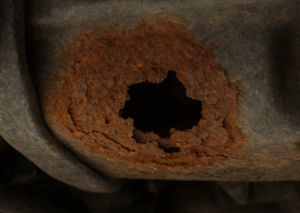
3. Penetrating Rust
Appearance: Holes or perforations in the metal, often surrounded by scale rust.
Cause: The most advanced stage of corrosion, where rust has eaten completely through the metal.
Threat level: High. This type of rust can cause an immediate MOT failure if it affects structural areas such as the chassis or suspension.
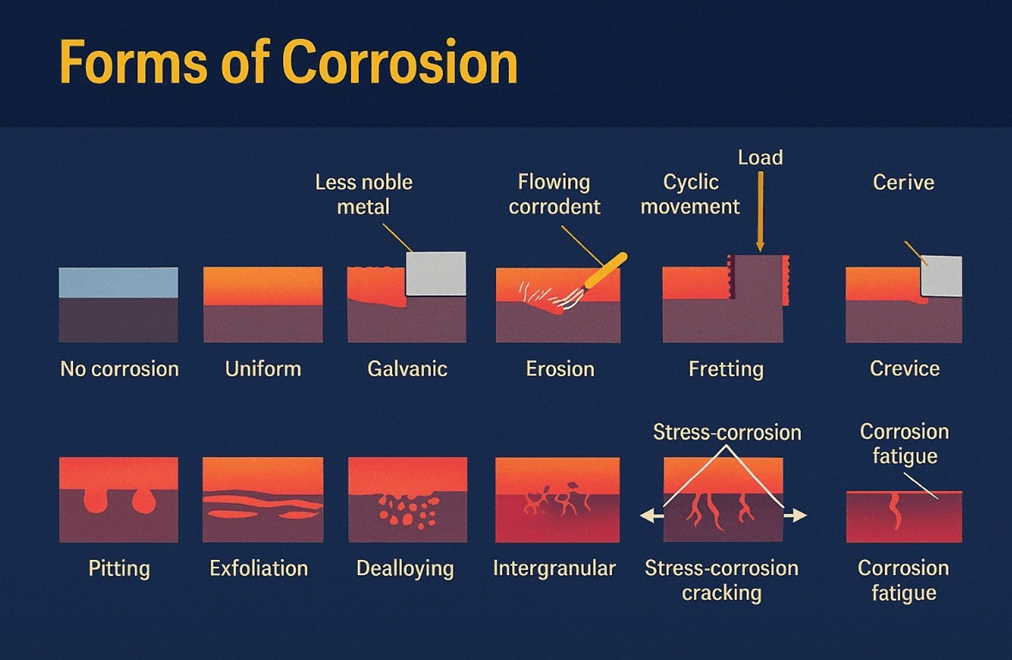
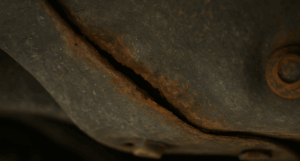
4. Crevice Corrosion
Appearance: Hidden rust forming in seams, joints, and gaps where moisture and salt collect.
Cause: Trapped moisture creates a stagnant environment where corrosion thrives — even if the surrounding metal looks sound.
Threat level: High. It’s difficult to detect visually and can cause serious damage before becoming visible.
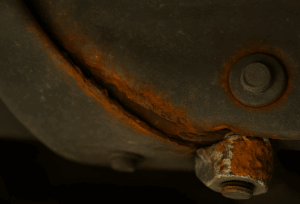
5. Galvanic Corrosion
Appearance: Accelerated corrosion where two different metals meet, particularly around bolts or fasteners.
Cause: When dissimilar metals come into contact with an electrolyte (like salty water), the electrical potential between them creates a “battery effect,” causing one metal to corrode faster.
Threat level: Moderate to high. Common around steel bolts used with aluminium parts — increasingly seen in modern and electric vehicles.
6. Fatigue Corrosion
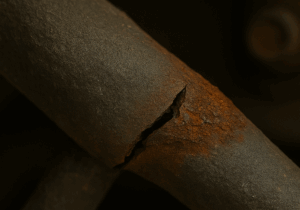
Appearance: Cracks or deterioration in components that experience repeated flexing or stress.
Cause: Continuous mechanical stress weakens the metal over time, making it more vulnerable to corrosion.
Threat level: High. Corrosion on stressed parts such as suspension components or leaf springs can lead to dangerous failures.
The Most Vulnerable Areas Underneath a Vehicle
Certain parts of a car are more prone to corrosion due to constant exposure and stress. These include:
-
Chassis and frame rails: The backbone of the vehicle — if compromised by penetrating rust, the entire structure is at risk.
-
Suspension components: Springs, arms, and subframes can rust, affecting ride quality and safety.
-
Brake and fuel lines: Corrosion can cause leaks or bursts, leading to brake failure or fuel hazards.
-
Exhaust system: Constant heat cycles, moisture, and road salt make exhaust components especially vulnerable.
-
Floor pans: Rust can form both from beneath and inside the cabin if moisture becomes trapped under carpets.
Protecting Your Vehicle’s Underside
The best defence against corrosion is early prevention. Regular inspections, thorough cleaning (especially after winter driving), and the use of high-quality rustproofing products like Rustbuster Armaguard Epoxy Mastic or Rustbuster Custom Epoxy can stop rust in its tracks and protect your vehicle for years to come.